In many industrial rail operations, the locomotive has long been considered the standard solution for rail switching. While locomotives are powerful and capable of handling large train movements over long distances, they are often not the most efficient or cost-effective option for day-to-day switching activities within industrial facilities, terminals, ports, and rail-served plants.
As rail operations face increasing pressure to improve productivity, reduce operating costs, and maximize asset utilization, many organizations are turning to railcar movers as an alternative. When evaluated against the key metrics that drive operational performance such as labor efficiency, asset utilization, fuel consumption, maintenance costs, and safety, a railcar mover often delivers significantly greater value than a traditional locomotive.
Looking Beyond Purchase Price
A common mistake when comparing switching equipment is focusing solely on acquisition costs. The real cost of rail switching extends far beyond the initial investment. Total cost of ownership includes:
- Fuel consumption
- Maintenance expenses
- Operator requirements
- Downtime costs
- Infrastructure impacts
- Utilization rates
- Productivity losses due to operational limitations
When these factors are examined collectively, the math often favors a purpose-built railcar mover.
Higher Utilization Drives Better Returns
One of the biggest inefficiencies associated with industrial switching locomotives is underutilization.
Locomotives are designed primarily for hauling trains over long distances. In many industrial environments, they spend substantial portions of the day waiting between switching assignments, idling, or being repositioned. Despite this limited utilization, owners still incur costs related to maintenance, inspections, fuel, and compliance requirements.
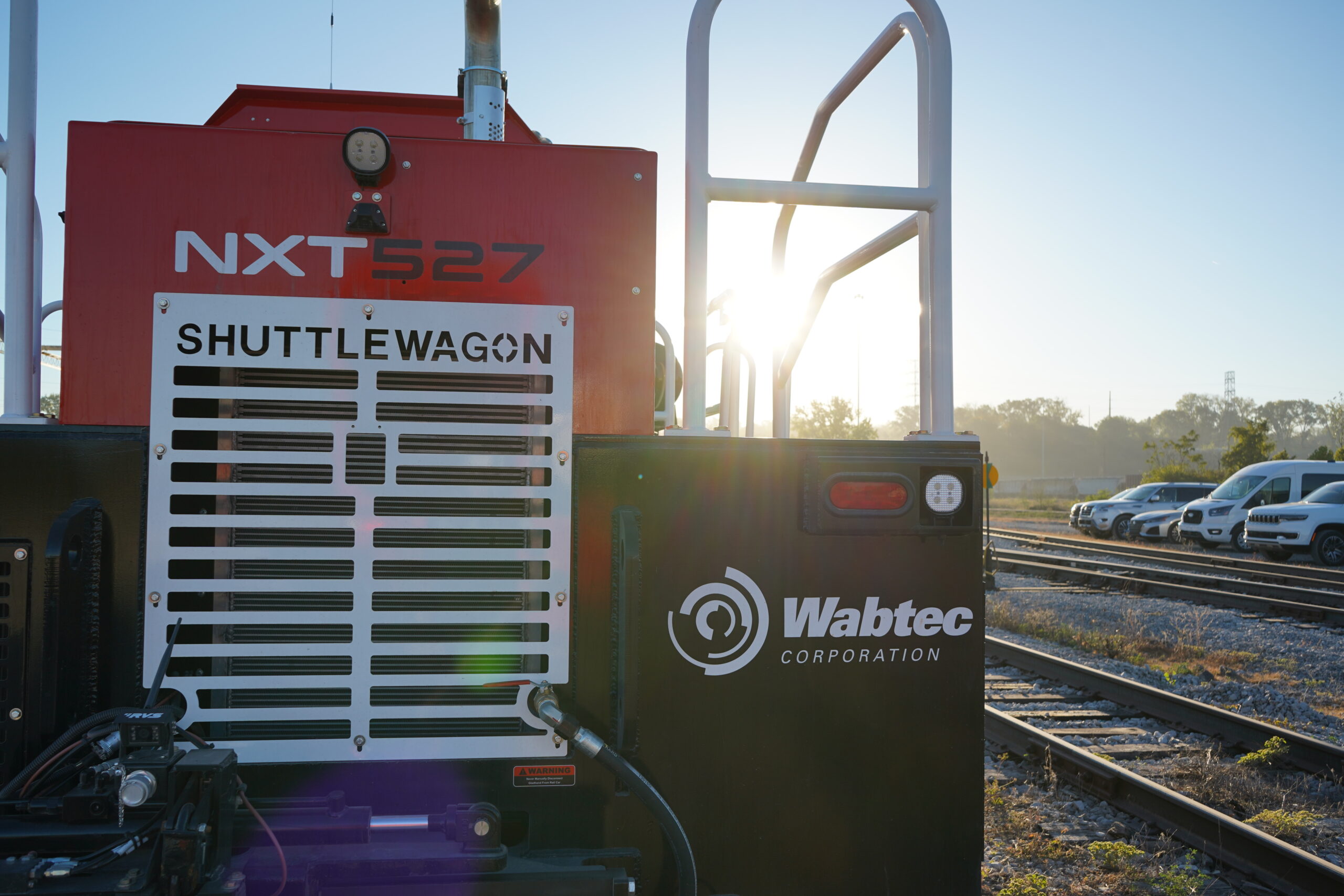
A Shuttlewagon railcar mover is specifically engineered for switching operations. Its ability to operate on both rail and roadway surfaces allows operators to move directly between work locations without requiring extensive track movements. This versatility reduces non-productive time and increases the percentage of each shift spent performing value-generating work.
As a result, facilities often move more railcars per operator shift while utilizing fewer assets.
Faster Switching Improves Throughput
Rail switching efficiency is measured by how quickly railcars can be spotted, pulled, and repositioned.
Traditional locomotives frequently require additional track space and multiple movements to accomplish routine switching tasks. Their larger size and limited maneuverability can create bottlenecks in facilities with constrained track layouts.
Shuttlewagon railcar movers are designed for precise movements in tight operating environments. The ability to quickly transition between rail and pavement allows operators to access cars from multiple directions and reduce unnecessary repositioning.
The operational benefits include:
- Reduced cycle times
- Faster loading and unloading operations
- Increased railcar throughput
- Fewer delays in production schedules
- Improved yard fluidity
Even small reductions in switching time can generate significant annual savings when multiplied across hundreds or thousands of railcar movements.
Lower Labor Costs Per Railcar Moved
Labor is among the highest costs in industrial rail operations.
Because locomotives were originally designed for mainline operations, switching procedures can be more complex and time-consuming. Additional personnel may be required to support movements, coordinate switching routes, or manage positioning around facilities.
A railcar mover can streamline many of these tasks through its enhanced visibility, maneuverability, and ease of operation. Operators often complete movements more efficiently, reducing the labor hours required per railcar.
When measured on a cost-per-car basis, the impact becomes substantial. Facilities that move dozens of railcars each day can realize significant labor productivity gains over the course of a year.
Reduced Fuel Consumption
Fuel costs remain a major operational expense for locomotive owners.
Traditional locomotives are designed to generate large amounts of horsepower, much of which is unnecessary for typical industrial switching activities. Running high-horsepower equipment during low-speed switching can result in inefficient fuel usage and increased operating costs.
Railcar movers are engineered specifically for switching applications. Their power systems are optimized to provide the tractive effort needed to move loaded railcars while minimizing unnecessary fuel consumption.
The result is:
- Lower fuel costs per movement
- Reduced idle fuel consumption
- Improved operating efficiency
- Lower overall operating expenses
In facilities with frequent daily switching, fuel savings alone can deliver a meaningful reduction in annual costs.
Maintenance Costs Can Be Significantly Lower
Maintenance expenses often represent one of the least visible—but most impactful—cost categories associated with locomotive ownership.
Locomotives contain complex propulsion systems, extensive railroad-specific components, and numerous systems designed for long-haul service. These assets require regular inspections, maintenance programs, and periodic overhauls.
Shuttlewagon railcar movers are designed specifically for industrial switching environments, which can simplify maintenance requirements and reduce service costs. Additionally, many components are readily accessible, helping technicians complete maintenance activities more efficiently.
Benefits may include:
- Reduced scheduled maintenance expenses
- Lower repair costs
- Shorter maintenance downtime
- Increased equipment availability
- Improved lifecycle economics
Higher equipment uptime means operations can continue moving railcars rather than waiting for critical assets to return to service.
Infrastructure Flexibility Reduces Hidden Costs
Many facilities underestimate the cost associated with rail infrastructure limitations.
Locomotives always require rail access, which can increase switching complexity when railcars must be moved within congested facilities. Operators may need additional track movements or longer switching sequences simply to reach certain cars.
The road to rail capability of a Shuttlewagon allows it to operate both on track and off. This flexibility can reduce unnecessary movements and help facilities optimize workflows without additional infrastructure investment.
Greater operational flexibility often translates directly into:
- Improved production efficiency
- Reduced congestion
- Faster railcar positioning
- Better utilization of available space
Safety Improvements Have Financial Value
Safety incidents create costs that extend far beyond repair expenses.
Property damage, equipment damage, operational interruptions, workers’ compensation claims, and lost productivity can all affect the bottom line.
Railcar movers are designed to provide enhanced visibility during switching operations, giving operators a clearer view of the movement area. Improved visibility and precise control can help reduce operational risks while increasing confidence in daily switching activities.
A safer operation generally leads to:
- Fewer incidents
- Reduced downtime
- Lower risk exposure
- Improved operational consistency
While safety benefits can be difficult to quantify, their financial impact can be substantial over time.
Measuring True Value: Cost Per Railcar Moved
Ultimately, the most meaningful metric is not acquisition cost or engine horsepower, it is cost per railcar moved.
Organizations that evaluate switching assets based on:
- Labor cost per car
- Fuel cost per car
- Maintenance cost per car
- Time per movement
- Equipment utilization
- Annual throughput
often find that dedicated railcar movers deliver a lower total operating cost than traditional locomotives for industrial switching applications.
By increasing productivity while reducing fuel, maintenance, and labor expenses, a Shuttlewagon railcar mover can generate a stronger return on investment and a lower total cost of ownership.
Conclusion
The real cost of using a locomotive in rail switching extends far beyond the purchase price. Idle time, fuel consumption, maintenance requirements, labor demands, and operational inefficiencies can significantly increase the true cost of moving railcars within industrial facilities.
For many operations, a Shuttlewagon railcar mover provides a more efficient alternative. Its ability to improve throughput, increase asset utilization, reduce operating expenses, and lower the cost per railcar moved makes it a compelling solution for organizations seeking to maximize the value of their rail switching operations.
When rail operations are measured by productivity and total cost of ownership rather than tradition, the advantages of a purpose-built railcar mover become increasingly clear.
To learn more, reach out to Shuttlewagon today and speak to an industry expert.