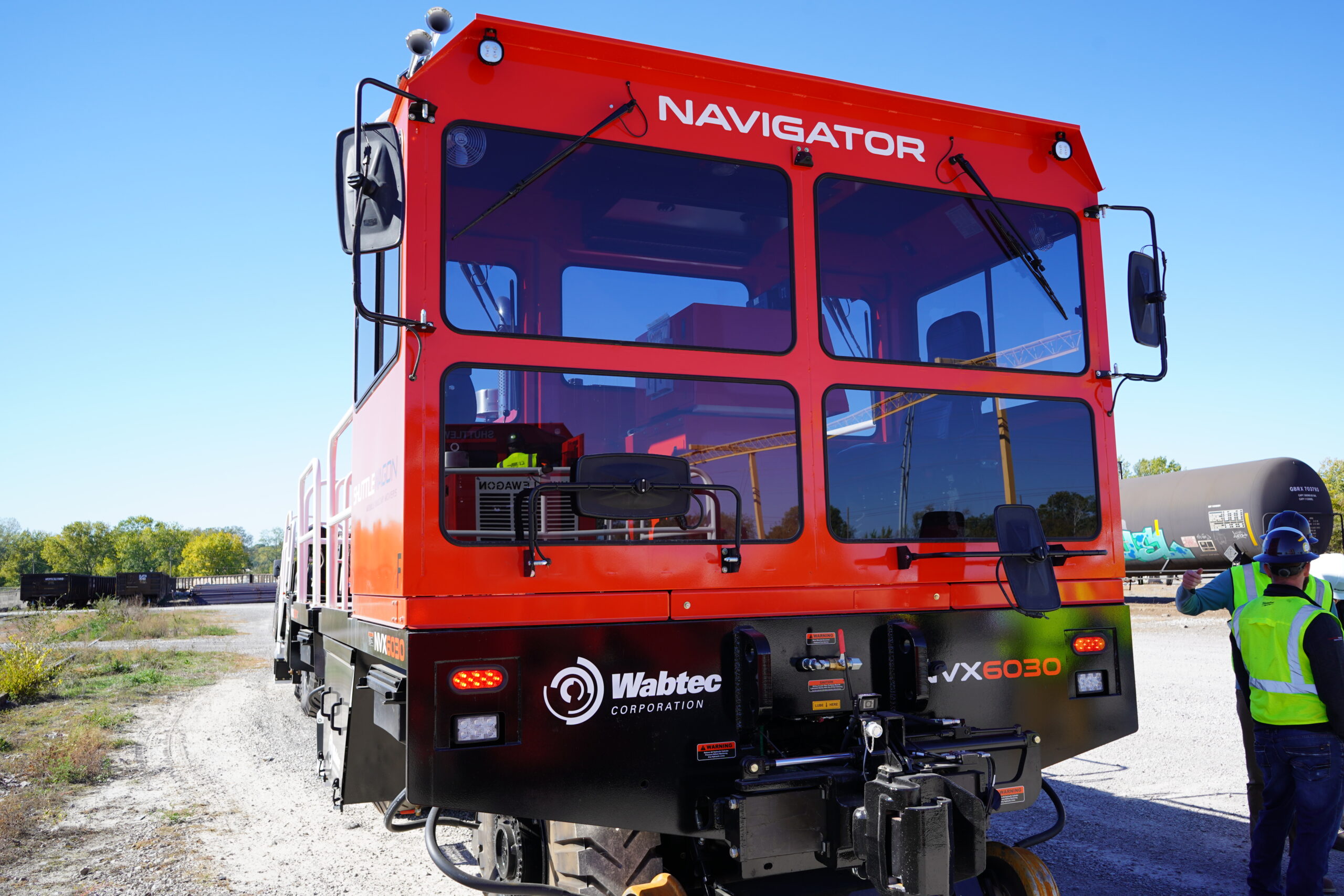
Winter Maintenance Best Practices for Railcar Movers: Be Ready Before the Cold Arrives
Winter weather can not only test your patience, but it can also test your railcar movers as well. Freezing temperatures, snow, ice, and contaminants can accelerate wear, impact performance, and lead to costly downtime if your equipment hasn’t been properly prepared or maintained. The good news is that being proactive in the fall can help ensure reliable operation throughout the winter, reducing the risk of unexpected maintenance issues when equipment is needed most.
Here are a few key maintenance best practices to consider before winter arrives.
1. Inspect Batteries and Electrical Systems
Cold temperatures place additional strain on batteries and electrical components. Weak batteries that perform adequately in the fall may struggle to provide sufficient starting power during winter.
Before temperatures drop:
- Test battery voltage and load capacity
- Inspect terminals for corrosion
- Verify charging systems are operating correctly
- Check wiring harnesses and electrical connections for wear or damage
A simple battery replacement before winter can prevent a no-start condition that disrupts operations for an extended period.
2. Verify Engine Cooling System Performance
The cooling system does more than prevent overheating. Proper coolant levels and antifreeze concentration are critical for protecting the engine in freezing temperatures. Note: Shuttlewagon offers extreme cold weather fluids rated down to -40 degrees (see #7).
Key checks include:
- Testing coolant freeze protection levels
- Inspecting hoses for cracks or deterioration
- Verifying clamps and connections are secure
- Examining the radiator for debris or damage
A cooling system failure during can result in significant engine damage and costly repairs.
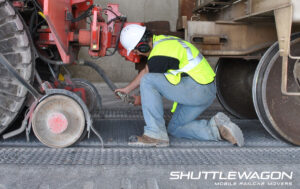
3. Inspect Wheel, Rail, and Traction Components
Snow, ice, and moisture can reduce traction and increase stress on moving components.
Focus on:
- Checking wheel condition and wear
- Inspecting traction systems and driveline components
- Looking for excessive play in bearings or hubs
- Ensuring rail guidance systems are functioning properly
Addressing signs of wear early can help prevent a problem before it happens.
4. Service Hydraulic Systems
Hydraulic systems can become sluggish when temperatures drop, especially if fluid conditions have been neglected.
Before winter:
- Check hydraulic fluid levels and condition
- Replace contaminated or degraded fluid
- Inspect hoses and fittings for leaks
- Verify seals are in good condition
A small hydraulic leak that seems manageable in warmer weather can quickly become a larger issue as temperatures fluctuate.
5. Protect Against Corrosion
Salt, de-icing chemicals, and winter moisture can accelerate corrosion on chassis, undercarriage, and exposed metal components.
Best practices include:
- Thoroughly cleaning equipment before winter
- Washing away salt and contaminants regularly
- Inspecting protective coatings and paint
- Touching up damaged areas before corrosion spreads
A consistent cleaning program can significantly extend component life and reduce long-term maintenance costs.
6. Stock Critical Spare Parts
Winter weather can make emergency repairs more difficult and increase lead times for replacement parts.
Consider keeping commonly used items on hand, such as:
- Filters
- Belts
- Hoses
- Batteries
- Hydraulic fittings
- Sensors and electrical components
Having critical parts readily available can minimize downtime when unexpected issues arise. Talk to your dealer about getting stocked up.
7. Talk to Your Dealer About Cold Weather Options
For those who are in regions with extremely harsh weather, sometimes you need a little extra help to get you through the winter.
Shuttlewagon offers a variety of options built for cold weather such as:
· Receptacle points to supply power to tank heaters
· Heated mirrors
· Extreme cold weather fluids rated to -40 degrees
· Arctic weather package
· Snow/debris broom
· Snow plow
· Diesel fired cab heater
For a full list of options, talk to your dealer or click here.
Conclusion: Don’t wait for the first snowfall
The most effective winter maintenance strategy is preparation. Completing inspections, addressing minor issues, and performing preventive maintenance before temperatures drop can help keep rail operations running safely and efficiently throughout the season. Shuttlewagon, along with your local dealer, are here to help you get prepared. Contact us today to get started.